
Category: English
L’Occulte touareg / Tuareg Occult
Sur le modèle de notre glossaire malais (I & II), sont ici réunis des vocables tirés du Dictionnaire touareg-français de Karl-Gottfried Prasse, Ghoubeïd Alojaly et Ghabdouane Mohamed (Museum Tusculanum Press, Université de Copenhague, 2003) qui nous semblent particulièrement intéressants pour la connaissance de la culture touarègue et en particulier de ses traditions occultes (ce glossaire n’est donc pas un recueil de termes usuels). Le dictionnaire utilisé se concentre essentiellement sur les dialectes touaregs parlés au Niger.
Nous classons les entrées dans l’ordre où elles apparaissent dans le dictionnaire, à savoir « par ordre alphabétique selon leur racine consonantique », l’alphabet utilisé étant le suivant :
b d (dy) ḍ (ṭ, ṭṭ) (ḍy) – f g ɣ (q, qq) – h k l m n (ŋ) – r s š t (ṭ) (ty) – w x y z ẓ ž pour les consonnes, et
a e i o u (longues) et ə ă (courtes) pour les voyelles,
ce qui ne correspond pas totalement à la transcription latine du touareg officialisée au Niger en 1999 (voir wikipedia « Touareg (langue) »). Les consonnes couvrant un point correspondent à l’emphatique en arabe ; le ɣ au ‘ayn (ﻉ), le x au ḥa (ﺡ), le š à sh (ﺶ) et le ž à dj (ﺝ).
Le présent glossaire étant un outil ethnographique plutôt que linguistique, nous omettons le pluriel des mots, sauf pour les noms de tribu où le pluriel est censé être le plus fréquent (la tribu des Băžubăletăn, les Idăberăn…). Nous renvoyons le lecteur intéressé par la langue et les aspects linguistiques à la source originale.
Quelques abréviations : ha. (le terme provient du haoussa), ar. (le terme provient de l’arabe), p.ext. (par extension).
Mes propres remarques sont entre crochets []. Les quelques photos ajoutées ne font pas partie du dictionnaire. Enfin, j’ai traduit chacune des entrées en anglais.
*
The present glossary gathers several words/entries from the French-Tuareg Dictionary by Karl-G. Prasse et al. (2003) together with my English translation and a few personal remarks in brackets [].
*
B
ăbogaz : cousin croisé (fils de tante paternelle ou d’oncle maternel) ; par extension (p.ext.), cousin en général. On estime que les soins d’un cousin croisé sont particulièrement propices au traitement de certaines maladies, par ex. la teigne.
A cross-cousin (son of a paternal aunt or daughter of a maternal uncle); by extension, a cousin in general. It is thought that nursing by a cross-cousin is particularly favorable to the cure of some ailments such as ringworm.
ăbagən : espèce de petit crocodile vivant dans les mares. [Ils vivent coincés dans les oasis depuis la désertification.]
A species of small crocodile living in ponds. [They have been stuck inside oases ever since the desertification of these areas.]
ăboɣəlli : mulâtre. Les iboɣăllităn des Kel-Ataram ont un statut un peu supérieur à celui des eklan (esclaves) noirs.
A mulatto. The iboɣăllităn of the Kel-Ataram have a status slightly higher than that of black eklan (slaves).
boká (ha.) : guérisseur traditionnel.
Hausa traditional soothsayer.
băllăwri, băllăwli : sorte de pierre rouge translucide (de la région d’Agadez) ; p.ext. anneau de doigt en băllăwri.
A sort of red translucent stone (from Agadez region); by ext. a finger ring made of this stone.
abăngor : morve séchée ; lambeau de peau desséché (qui pend au bord d’une plaie) ; p.ext. nègre (terme de dérision).
Dry snot; a shred of dessicated skin (hanging from the edge of a wound); by ext. a negro (derogatory term).
bori (ha.) : fait d’être possédé par les esprits ; esprit, génie ; homme possédé par les esprits ; sorcier (allié avec les esprits) [Le bori est la religion préislamique des Haoussas, qui subsiste encore de nos jours.]
Possession by spirits; spirit, ghost; person possessed by spirits; sorcerer (in league with spirits) [Bori is Hausa people’s pre-Islamic religion, which has subsisted to this day.]
səbbərəg : se vanter ; montrer sa plénitude (chamelle) ; faire semblant d’être pleine (chamelle).
To boast; to show off one’s pregnancy (she-camel); to pretend being pregnant (she-camel).
abărăybăray : « gorille » (il n’y a pas de gorilles en pays touareg, mais les Touaregs en connaissent l’existence ; pour eux c’est un monstre qu’on rencontre parfois en brousse. On dit qu’il provoque l’homme à la lutte au corps à corps ; s’il gagne l’homme reste mort ou fou, si l’homme gagne le monstre lui donne une bague magique source de grande richesse, mais si l’homme répond à l’appel de son nom la bague perd sa puissance (D. Sudlow).) [J’ai du mal à comprendre en quoi cette description d’une sorte de lutin ou de gnome de conte de fées est la preuve que les Touaregs connaissent l’existence des gorilles. Pourquoi traduire par « gorille » ce personnage du folklore ? Hypothèse : les Touaregs ont probablement donné le nom de cette créature de leur folklore au gorille pour quelque ressemblance dont ils auraient entendu parler, et que rien ne révèle dans la description du dictionnaire (si ce n’est que le gorille est réputé attaquer les gens ?).]
A « gorilla ». (There are no gorillas in the Tuareg country, but Touaregs know their existence. For them it is a monster that one sometimes meets in the bush. It is said that it engages in hand-to-hand fights with the individuals he comes across; if it beats the man the latter is killed or becomes mad, if the man beats the monster the latter gives him a magic ring that brings riches and wealth, but if the man answers to his name being called the ring loses its power.) [Why such a fairytale sprite or goblin proves that Tuaregs know the existence of gorillas is beyond my understanding. Tuaregs probably gave the gorilla the name of this creature of their folklore from some resemblance they heard about and we are not aware of from the description (unless it is because gorillas are said to attack people?].]
abăybăya : habitant noir de la côte (Togolais, Béninois etc.) ; p.ext. personne maladroite.
A negro dweller of the coast (Togolose, Beninese etc); by ext. a clumsy person.
buzu (ha.) : esclave noir des Touaregs (parlant touareg).
Black slave of the Tuaregs (speaking Tuareg).
Băžubăle / Băžubăletăn : ancienne tribu berbère aujourd’hui tout à fait négrifiée et parlant haoussa, vivant dans la région de Kéita-Tahoua.
An ancient Berber tribe that is entirely negrified today and speaks Hausa, dwelling in the region of Keita-Tahoua.
D
emud ən-ḍan : la fête des chiens (fête où l’on tue un chien/des chiens ; célébrée certaines années chez les Kel-Faday, surtout à Agadez).
Dog festival (during which one or more dogs are killed; it is celebrated on certain years by the Kel-Faday, above all in Agadez).
tədda : farine de mil mouillée ; mil mal pilé (c’est un moyen des femmes pour engraisser). [Voici ce qu’écrit notre Simone de Beauvoir nationale au sujet de la graisse chez les femmes touarègues : « Autrefois les chefs [touaregs] gavaient leurs épouses au point que, pour forniquer ces blocs graisseux, il leur fallait le secours de plusieurs serviteurs. Ces temps étaient loin. » (La Force des choses, 1963) La pratique existe toujours, à tout le moins parmi les populations nomades de Mauritanie, sous le nom arabe dialectal de leblouh. Cf. ɣăbbăt-əffəz pour plus ample discussion.]
Wet millet flour; badly crushed millet (used by women to fatten). [Simone de Beauvoir writes the following about Tuareg women: ‘In the days of old Tuareg chiefs used to fatten their wives so much so that, in order to copulate with these boulders of fat they needed assistance from several servants. Those days are over.’ The custom has survived at least among the nomadic populations of Mauritania, where it is known, in dialectal Arabic, as leblouh. See ɣăbbăt-əffəz for more details.]
tadbəq : bâillon de sevrage pour les veaux ; état de respiration retenue ou sortant avec difficulté ; silence prolongé et volontaire (d’une personne) ; sorte de maladie vénérienne (mortelle, empêche l’éjaculation du sperme).
A muzzle for wheaning calves; a state of restrained or difficult breathing; prolonged, volontary silence (said of a person); a venereal disease (lethal, impedes ejaculation of semen).
Edăber / Idăberăn : tribu, littéralement (litt.) les tourterelles. Les Idăberăn comptent parmi les tribus touarègues les plus anciennes. [Pourquoi ce nom de tourterelles ?]
Name of a tribe, meaning ‘the turtledoves,’ among the most ancien. [Where does the name come from?]
mədədəqqət : se taper l’un l’autre dans la main (pour se passer des messages secrets).
To clap each other’s hands (in order to communicate secret messages).
dagəmi (ha.) : sorte de bracelet magique (tube de cuir rouge empli de bourre de tagăyt [palmier doum] ; protège contre les morsures de serpent).
A magic bracelet (a tube of red leather filled with doum palm floss; protects against snake bites).
adoməni : substance somnifère sécrétée par le mil (sous forme de gomme).
A soporific substance secreted by millet (in the form of gum).
Dăw-Ṣăhak : litt. « les fils d’Isaac », la plus grande tribu d’origine juive du pays touareg ; parlent un songhaï mélangé de touareg ; entretiennent désormais des relations avec l’ambassade d’Israël.
Litt. ‘the sons of Isaac,’ the greatest tribe of Jewish origin in the Tuareg country; they speak Songhay mixed with Tuareg; now have relationships with the state of Israel’s embassy.
Ḍ
uḍu : météorite (étoile filante) ; son d’un aérolite qui tombe (selon la croyance populaire c’est la mort violente d’une étoile) ; le son du ăga n-aṃan (son sourd et prolongé qui se produit parfois dans l’atmosphère et dont l’origine est inconnue ; se produit surtout la nuit ; présage de pluie) ; coup de tonnerre en général.
A meteor (shooting star); the sound of a falling meteor (in popular belief that is the sudden death of a star); ăga n-aṃan sound (prolonged, dull sound that is sometimes heard in the atmosphere and which origin is unknown; occuring mostly at night, it portends rain); thunderclap in general.
Il semble que la citation suivante évoque ce phénomène de « son sourd et prolongé qui se produit parfois dans l’atmosphère et dont l’origine est inconnue » : « De bizarres bruits, dans le soir qui tombait à grands pas, venaient de naître autour de nous. Espèces de craquements, suivis de plaintes longues et déchirées, qui se répercutaient à l’infini dans les ravins environnants. Il semblait que la montagne noire tout entière se fût mise soudain à gémir. … Comme moi, il comprenait, sans doute : les rochers surchauffés, le craquement de la pierre, toute une série de phénomènes physiques, le souvenir de la statue chantante de Memnon. » (Pierre Benoit, L’Atlantide, 1919)
ḍan-tyărara (ha.) : homme atteint de diarrhée ; sorte de clown sale qui vagabonde et salit les gens de diarrhée (dans les régions peuplées du sud).
A man suffering from diarrhea; a kind of dirty clown that roams about and soils people with diarrhea (in the populous regions of the south).
asədəs : chirotonie (imposition des mains pour guérison).
Healing by imposition of hands.
F
Fəhen, Nəhen : pays fictif des génies (ălžăynăn [djinns]).
Land of the jinns.
Fakru : nom d’une chamelle légendaire qui donnait du lait à tout le monde jusqu’à sa mort ; aussi confondue avec la chamelle du prophète Salih (Coran VII,75). => emənɣi-n-Fakru, « tueur de Fakru », espèce de singe cynocéphale (Papio nigeriae), également appelé emətti-n-Fakru « mangeur de Fakru ».
Name of a legendary she-camel who was giving her milk to everyone until her death; also conflated with prophet Salih’s camel (Quran VII,75). ‘Killer of Fakru,’ ‘eater of Fakru,’ a species of baboon.
tăfaršit (ar. fârisiyya « la persane ») : sorte d’encens extrait d’une plante importée (pour chasser les démons).
‘The Persian,’ a kind of frankincense extracted from an imported plant (to chase demons).
G
gobəz (ha. ?) : diable, mauvais esprit.
A devil, an evil spirit.
găfăkka (ha.) : sachet à Qoran (en cuir/toile pour transporter le Qoran).
A purse for the Quran (in leather or canvas to carry the Quran).
aggəl : graisse fondue ; graisse d’autruche fondue (sert d’onguent contre les rhumatismes).
Molten fat; molten ostrich fat used as ointment against rheumatism.
əgəllul : homme capable d’invoquer les esprits.
A man able to summon spirits.
tagələllet : cercle, rond ; marque de propriété des Ifəqqar (forgerons marabouts) des Kel-Geres.
Circle, round; property mark of the Ifəqqar (marabout blacksmiths) of the Kel-Geres.
guma, təgumat (ha.) : homme possédé de génies => tende n-gumatăan : tam-tam exécuté pour guérir des possédés en les amenant à la transe.
A man possessed by jinns. => tende n-gumataan: tamtam played to heal the possessed by bringing them to a trance.
Gənbəya : nom propre de femme, litt. femme courtaude et grasse, ou fille de chef [cf. tədda : la citation de S. de Beauvoir, ɣăbbăt-əffəz]
A woman’s name, lit. little, fat woman, or chief’s daughter. [See tədda, ɣăbbăt-əffəz]
tagənnəgənt : manière spéciale de parler touareg, consistant à intervertir l’ordre ses sons dans chaque mot et à intercaler certaines syllabes supplémentaires (d’après certaines conventions), langage secret.
A special manner of speaking Tuareg consisting in inverting the order of sounds in each word and in inserting some more syllables (according to some convention), secret language.
ăgar : espèce d’arbre non épineux (dégage une mauvaise odeur en brûlant) (Maerua crassifolia). L’ăgar est réputé être habité par les génies ; on évite de s’installer à son ombre sans avoir donné d’abord dans son tronc quelques coups de hache qui chassent les génies. Sa fumée est dangereuse et peut rendre aveugle. Les femmes en retraite visitent parfois un ăgar pour se décharger sur lui des obligations d’abstinence devenues trop lourdes.
A species of non-thorny tree (gives out a bad smell when burning). It is reputed to be the dwelling-place of jinns; people avoid sitting under it without having struck its trunk several times with an ax before in order to chase the jinns away. Its smoke is dangerous and can make one blind. Retreating women sometimes pay a visit to an ăgar to discharge themselves of abstinence obligations that have become too heavy.
agəru : grenouille ; crapaud ; espèce de croix en or ou argent portée par les femmes touarègues dans la coiffure (symbolise la fécondité ; bijou de noces traditionnel).
Frog; toad; a sort of cross made of gold or silver and borne by Tuareg women on their head (a symbol of fertility; traditional wedding gift).
Ăgori / Igorităn : Noir/nègre de la forêt vierge (de Nigeria etc.) (ne se dit pas des Noirs avec lesquels les Touaregs sont en contact quotidien).
A negro of the forest (Nigeria etc) (not used for black people whom Tuaregs meet daily).
ămăggerše : jeteur de sort par le mauvais œil. => oh əməggerši! exclamation servant à parer l’effet fâcheux d’une louange (en effet, les louanges trop ouvertes sont incorrectes).
A wizard with the power of evil eye. => oh emeggershi! An interjection which aims at warding off the unfortunate effect of a praise (excessive praises are deemed indecorous).
tagărăyyat : espère de lézard (jaune à traits noirs, puant ; les enfants le soupçonnent de téter les chèvres). [Cf. takəzukəzt]
A species of lizard (yellow with black stripes; foul-smelling; children believe that it sucks the goats.)
agəs : danser avec la tête et les mains (en position assise).
To dance with the head and hands while sitting.
təgəyye n-Yăḷḷa, tan-Yăḷḷa : goître. On dit que Dieu afflige d’un goître celui qui se parjure.
A goiter. It is said that God punishes perjury with goiter.
tagăzot : panse (des ruminants) => imawăn ən-tăgăzot : partie antérieure de la panse, « herbière » (revient aux forgerons).
Rumen. => imawan en-tagazot: forepart of the rumen (reserved to the blacksmiths).
igăzan : divination par des points faits sur le sable, géomancie.
Divination by making points on the sand.
agăzzăram : fouette-queue (espèce de lézard). Les Ouelleminden Kel-Ataram regardent ce lézard comme un génie.
A species of lizard considered by the Kel-Ataram to be a jinn.
Q
ɣăbbăt-əffəz : fait de prendre une bouchée et de la mâcher longuement ; gavage (d’une femme qu’on gave avec du lait à l’aide d’un biberon (aɣălla)). => aɣălla : gavoir (sorte de casserole en bois, avec manche à tuyau ; sert à gaver de lait les femmes adolescentes).
[Comme nous l’avons vu à l’entrée tədda, les Touaregs pratiquent de manière traditionnelle le gavage des filles (en particulier des filles de chef), qui deviennent de ce fait obèses. On lira avec profit l’article d’E. Bernus sur le sujet (en ligne sur L’Encyclopédie berbère : ici). Bernus considère que ce gavage permet aux filles de mûrir plus rapidement et donc de se marier plus tôt. L’obésité qui en résulte est chantée par les poètes touaregs comme étant un élément de la beauté féminine (Bernus cite quelques vers à cet égard). Selon la psychologie évolutionniste, un rapport métrique taille-hanche (waist-hip ratio, WHR) de 0,7 est perçu comme le plus attrayant en raison des capacités maximales de fécondité qu’il indique. Dans ce contexte, le fait que l’obésité passe pour un caractère désirable de la femme est une énigme. Cependant, Bernus a sans doute apporté la clé de cette énigme en indiquant qu’il s’agit d’avancer la maturité sexuelle des jeunes filles : de cette façon, il est possible d’accroître le taux de reproduction en réduisant l’écart temporel entre générations. Cette stratégie est viable à condition que le gavage ne nuise pas aux capacités reproductives de la femme (alors qu’en règle générale plus la taille de la femme s’éloigne du ratio 0,7, plus sa fertilité est compromise [à confirmer]) et que l’obésité ne joue pas négativement dans les préférences masculines. Or le fait que l’obésité de la femme soit une préférence des hommes touaregs est peut-être mise en doute par le terme əḳtər du dictionnaire de Prasse, traduit par « avoir une taille de guêpe (une femme) », ce qui laisse supposer que cette taille de guêpe est un marqueur de beauté chez les Touaregs également (l’expression « taille de guêpe » correspond à ce qui a été dit plus haut à propos du rapport taille-hanche : taille étroite et hanches larges). Photos : E. Bernus, article cité. 1/gavage d’une jeune fille 2/femme touarègue obèse : voir le bras.]


To chew lengthily; force-feeding or gavage (of a woman with milk and the help of a special ustensil) => a’alla : ustensil to force-feed adolescent women.
[As we saw under the head tedda, Tuaregs have been traditionally force-feeding their daughters (especially the daughters of chiefs). The women thus force-fed become obese. Bernus considers that the aim is to make girls achieve sexual maturity and marry earlier. Tuareg poets laud obesity as a marker of beauty and Bernus quotes a couple of verses to illustrate this. According to evolutionary psychology, a waist-hip ratio (WHR) of 0.7 is perceived as the most attractive owing to the greatest fertility that it indicates. In this context, that obesity should be a marker of beauty is puzzling. However, Bernus probably gave the key to the riddle: gavage allows Tuaregs to increase their rates of reproduction by reducing the time spread between generations. This strategy is valid on the proviso that gavage does not impair women’s fertility (whereas as a rule the greater the deviation from WHR 0.7, the less fertile the woman physiologically [ought to be confirmed]) and that obesity does not negatively affect males’ preferences. In this latter respect, the fact that Tuareg men prefer obese women may be doubtful given the word əḳtər in Prasse dictionary, translated as « to have a wasp waist (woman), » which seems to hint that a wasp waist is a marker of beauty among Tuaregs too (the phrase itself, wasp waist, can serve as a confirmation of the WHR idea wherever it is used, as in French too).]
tewăɣne : ligature ; lien ; paquet ; écriture liée (manière d’écrire les tifinagh qui les rend très difficiles à déchiffrer et servant à rédiger des messages secrets, consistant à lier les caractères entre eux d’une certaine manière convenue d’avance).
Ligature; link; parcel; longhand script (a manner of writing tifinagh characters that makes them very difficult to decipher and is used to write secret communications, consisting in attaching the characters to one another in a certain way agreed upon in advance).
eɣəri : cuivre rouge. On dit que le port d’un anneau de cuivre allège les rhumatismes.
Red brass. It is said that wearing a brass ring soothes rheumatism.
Aɣrəm-Səṭṭəfăn : nom d’un pays énigmatique d’où vint le premier sultan de l’Aïr. [Aɣrəm signifie ville et désigne également Agadez, « la ville ».]
Name of a mysterious country whence the first Sultan of Ayr came.
Qurăyš : nom de la tribu du Prophète Muhammad (Qurayshites). Beaucoup de tribus berbères se disent être des descendants du Prophète, certaines de droit.
Name of the Prophet Muhammad’s tribe. Many Berber tribes claim descendance from the Prophet, some rightly.
taɣəst : vieux volcan éteint.
An ancient, inactive volcano.
əɣsəb : calculer ; prédire l’avenir en consultant les esprits ; chercher la solution d’une énigme en consultant les esprits.
To compute; to foresee the future by consulting the spirits; to find the solution to a riddle by consulting the spirits.
aɣu-saḳa : espèce d’ogre (qui tue les chamelons) == ar. ‘ifrit (se manifeste à une seule personne, en brousse et dans la nuit, sous la forme de différents animaux qui crient ou beuglent, comme un taureau/chameau/mouton etc.)
A sort of ogre (who kills camel cubs). Same as ‘ifrit (Appears to one person at a time, in the bush and at night, in the form of several animals that utter their cries, such as bull, camel, sheep etc).
eɣăwel : homme noir d’origine esclave (anciens eklan vivant en liberté sous la protection de leurs anciens maîtres ; il existe des iɣăwelăn en dépendance des Kel-Denneg, des Kel-Ayer et des Kel-Geres).
A black man of slave origin (they are former eklan who live free under the protection of their former masters).
H
hăbbăy : avoir les lèvres fardées en noir ; femme aux lèvres fardées en noir. => hănbăy : avoir la bouche noire (âne) ; avoir la bouche fardée en noir (femme). [Le rouge à lèvres existe aussi de manière traditionnelle chez les Touaregs : cf. kălgo. Selon la psychologie évolutionniste, le rouge à lèvres permet aux femmes de simuler une caractéristique de l’excitation sexuelle et les rend par là-même attrayantes pour les hommes. Ainsi le rouge n’est-il pas un ornement arbitraire. Il ne paraît pas possible d’en dire autant du « noir à lèvres » des femmes touarègues et l’on ne saurait non plus considérer qu’elles cherchent à imiter les lèvres noires des ânes auxquelles s’applique également le terme selon Prasse. Et si c’est parce que l’excitation sexuelle noircit les lèvres des femmes à la peau mate tandis qu’elle rougit celles des femmes à la peau claire, pourquoi les femmes touarègues utilisent-elles également du rouge ? Serait-ce que les femmes touarègues à la peau mate, voire les Touarègues noires, utilisent du noir tandis que celles à la peau claire utilisent du rouge ?]
To have one’s lips painted black; a woman with painted black lips. => hanbay: to have a black mouth (donkey); to have one’s mouth painted black (woman). [Tuareg women also know rouge: see kălgo. According to evolutionary psychology, rouge is red because it simulates arousal. It is not arbitrary. It does not seem to be case with black tincture, yet both have been traditionally used by Tuareg women. What would be an evolutionary explanation for women blackening their lips? In case it is because arousal blackens the lips of dark-skinned women instead of reddening them, then why Tuareg women use rouge at all? Is it that dark-skinned Tuareg women use the black tincture while the fair-skinned use rouge?]
ehăles : mirage matinal.
A morning fata morgana.
Ehəti : homme libre d’origine songhaï-djerma. Les Songhaïs sont traités comme cousins des Touaregs.
A free man of songhay-zarma origin. The Songhays are treated like cousins by the Tuaregs.
K
təkabt : grand grigri frontal.
A large charm borne on the forehead.
ăkabba : sorte d’amulette frontale (en forme de banane, pour homme).
A kind of amulet borne on the forehead (in the shape of a banana, for men).
Akădămma / Ikădămmatăn : tribu métissée isolée appartenant à l’ancienne confédération des Ouelleminden Kel-Denneg, particulièrement célèbre pour la fabrication de talismans (guérisseurs ou prophylactiques). Ils sont dédaignés pour avoir fait de la fabrication de talismans un commerce.
An isolated half-bred tribe belonging to the ancient confederation of the Ouelleminden Kel-Denneg, well-known for the making of talismans (healing or prophylactic). They are despised for making a business of their talismans.
əkkuf : rhume ; grippe : p.ext. troubles respiratoires causés par la consommation excessive de sucre.
Cold (ailment); influenza; by ext. breathing difficulties caused by excessive sugar consumption.
ăkala : longe à nœud coulant ; p.ext. cicatrice de tatouage ethnique au visage.
A tether with a running knot; by ext. scars on the face as ethnic tattoo.
kălgo, kădăgo (ha.) : espèce d’arbre (de couleur brun clair ou chamois ; avec son écorce on tresse des cordes ; de sa racine on extrait un colorant rouge dont les femmes se fardent les lèvres) (Bauhinia reticulata).
A species of tree (light brown or chamois; with its bark rope is made; from its root is extracted a red dye with which women paint their lips).
kălăw : jeter un sort à, ensorceler (surtout : marabout, en écrivant un verset coranique).
To cast a spell on (especially a marabout by writing a verse of the Quran).
kenbəltyu : sorte de démon (Peul métamorphosé).
A kind of demon (a metamorphosed Fula).
ekərkəwi, ekərkəwwi : vampire (personne capable de sucer le sang d’une autre à distance et jusqu’à la mort ; sorte de sorcier).
A vampire (someone who can suck the blood of another from a distance until the person dies; a kind of sorcerer).
kərənbaski (ha.) : ceinture d’amulettes.
A belt of amulets.
iḳărănḳărăn : scarifications faites dans les narines d’une chamelle pour lui bloquer l’odorat et la forcer à accepter un chamelon étranger. [Le dictionnaire de Prasse connaît plusieurs autres techniques, dont certaines réversibles, pour obtenir le même résultat.]
Scars made on the nostrils of a she-camel in order to impair her sense of smell and force her to accept a stranger camel cub. [The dictionary knows various other techniques to the same end, some reversible.]
korti (ha.) : sorcellerie (consistant à frotter la peau de quelqu’un).
Witchcraft (consisting in rubbing someone’s skin).
tasăḳḳarăyt : sorte d’amulette (écrite pendant qu’on appelle à haute voix la personne anathémisée/envoûtée/maudite).
A kind of amulet (written down while calling loud the name of the person one wants to curse or bewitch).
ikas : chaud => ax iḳḳûsăn : lait chaud qui vient d’être trait (et qui répand la chaleur dans le corps entier du buveur).
Warm. => ah ikkusan: warm milk just after milking (it diffuses its warmth in the whole body of the person drinking it).
akătab : écriture => akătab n-iblis : écriture non sainte (se dit parfois de n’importe quelle écriture autre que l’arabe, y compris les tifinagh).
Script. => akatab n-iblis: unholy script (sometimes said of all scripts other than Arabic, including tifinagh).
akătar : couleur indigo de la peau [signe de beauté].
Indigo color of the skin [a marker of beauty].
aḳwa : goudron (fait à base de bois ; sert à traiter la gale) ; également fait à base de grains de coton qu’on brûle.
Tar (made of wood; used to cure scabies); also made of burnt cottonseeds.
kăwda : fruit sec (en général, goro sec) ; p.ext. amulette écrite qui empêche les blessures au combat.
Dry fruit (in general, dry goro); by ext. a written amulet that prevents wounds in battle.
kăygăro : grande ceinture munie d’amulettes.
A large belt with amulets.
takəzukəzt : vipère sauteuse (très venimeuse, sa morsure est mortelle dans 90 % des cas) ; espèce de lézard (grand, tacheté) (selon une fausse croyance populaire, il tète les chèvres en hivernage).
Jumping adder (very venomous, its bite is deadly in 90% of the cases); a species of lizard (large, spotted) (according to an erroneous popular belief, it sucks overwintering goats).
L
Ǝlquran : planchette sur laquelle sont inscrits des versets du Qoran. On dit : širəd Ǝlquran, laver une planchette coranique et donner la lavure à boire à un malade pour le guérir ou à un jeune guerrier pour le rendre invulnérable (marabout).
A wood board on which are inscribed verses of the Quran. => Shired al-Quran : to wash such a Quranic board and give the washing to drink to a diseased person in order to cure him or to a warrior to make him invulnerable.
eləw : éléphant. Les derniers troupeaux d’éléphants ont été observés dans l’ouest de l’Azawag vers 1885.
An elephant. The last elephant herds were observed in the west of the Azawag about 1885.
Ăyt-Lawe, At-Lawe, At-Lăway : tribu du groupe Dăw-Ṣăhak [voir ce nom] (d’origine juive ; parlent touareg mais gardent les coutumes juives).
A tribe of Jewish origin (they speak Tuareg but have maintained Jewish traditions). [See Dăw-Ṣăhak]
laya : nom d’un gri-gri (contient des verset coraniques ; rend les hommes invisibles aux djinns ; porté par les caravaniers de Balma).
Name of a charm (contains Quranic verses; makes its bearers invisible to the jinns; used by the caravan riders of Balma).
ălẓu : raser (barbe, tête etc.) => win laẓẓinen : les marabouts (litt. ceux qui se rasent la tête).
To shave (beard, head etc) => win lazzinen: the marabouts (litt. those who shave their heads).
M
imi n-ăḍaḍ : bout du doigt ; p.ext. nom du prix dû d’avance au marabout qui s’apprête à inscrire dans le sable, avec le bout de son doigt, une formule de guérison (pour guérir un malade éventuellement possédé par les djinns).
A fingertip; by ext. name of the prepaid earnings of the marabout who will inscribe on the sand, with his fingertip, an healing formula (to cure a diseased person perhaps possessed by jinns).
madak : espèce de plante (tue les serpents quand on la met à l’entrée de leurs gîtes) (Commicarpus helenae).
A species of plant (kills the snakes when placed at the entry of their lairs).
Ǝmrəwəlqis (ar. Imru’l-Qays) : nom d’un poète célèbre de l’Arabie préislamique. Selon une légende touarègue, il aurait été un roi géant des Arabes et aurait inventé les tifinagh ou au moins contribué à civiliser les Touaregs.
Name of a famous poet of pre-Islamic Arabia. According to a Tuareg legend, he was a giant king of the Arabs and invented the tifinagh or, at least, helped civilize the Tuaregs.
ămata : extenseur de puisette (branche insérée dans la puisette pour étendre celle-ci et puiser plus rapidement) ; p.ext. rameau suspendu à la tente d’une femme en couches (moyen magique qui doit lui faciliter l’ouverture du vagin).
Dipper extensor (a stick inserted in the dipper to extend it and allow faster dipping) ; by ext. a sprig hanging by the tent of a parturient woman (a magic tool that must facilitate the opening of her vagina).
Taməzgədda : secte mouridienne de l’Azawag (dont les membres viennent de plusieurs tribus). La secte islamique des Mourides est d’origine sénégalaise, fondée par le cheikh Ahmadou Bamba [Serigne Touba]. Connus pour faire des talismans (guérisseurs et prophylactiques).
A Mouride sect of the Azawag (which members come from various tribes). The islamic sect of the Mourides is of Senegalese origin, being founded by Cheikh Ahmadou Bamba. They are reputed for making talismans (healing and prophylactic).
eməžir : ancien emplacement d’un camp ou campement (les piquets sont souvent laissés sur place). On dit que les djinns habitent les campements abandonnés et frappent ceux qui s’y aventurent. P.ext. ruine, vestiges archéologiques.
The former site of a camp (the posts are often left behind). It is said that the jinns dwell in abandoned camps and strike those who tread those places. By ext. a ruin.
răṃa : chanvre indien (Hibiscus cannabinus) ; fibres de chanvre (servent notamment à confectionner des liens et à tresser les tresses artificielles des femmes haoussa).
Hemp; hemp fibres (used among other things to make ties and the artificial braids of Hausa women).
tiṛăwt : lettre (missive) ; amulette écrite (contenant un verset du Qoran) => tiṛăwt n-ăḷăm : talisman pour chameau (suspendu au cou) ; Šiṛăwt ən-Tăḷămt : nom de l’étoile Alcor, dans la Grande Ourse (litt. Amulette coranique de la chamelle).
A letter (missive); a written amulet (containing a verse of the Quran) => tirawt n-alam: an amulet for camels (hanging from the neck); Sirawt en-Talamt: name of the star Alcor.
ăṛwa : sorte de danse frénétique des Haoussa (pour exorciser les mauvais génies ?) [Le point d’interrogation est de K.-G. Prasse.]
A kind of frenetic dance among the Hausas.
S
Săqqăra (ar. Saqar) : l’Enfer glacé (le centre glacé de l’Enfer, considéré comme le plus dur des enfers). [Il me paraît douteux que ce soit là le sens de l’arabe Saqar, qui est bien une région de l’enfer mais dont je ne trouve pas qu’elle soit glacée. S’agit-il d’une particularité touarègue ou d’une erreur d’interprétation des auteurs du dictionnaire ?]
The Hell of ice (the icy core of Hell, considered the harshest of hells). [I do not think that the Arabic Saqar, although it is the name of a region of hell, has this meaning. Is this a Tuareg particularity or an error of the authors?]
sonti (ha.) : mot lâché involontairement pendant le repas. L’étiquette touarègue demande qu’on mange dans un silence absolu. Le sonti est considéré comme dû au plaisir excessif de manger, sentiment qui est en soi illicite et ridiculisé. On se moque à l’amiable de celui qui commet un sonti en famille, alors qu’en présence d’étrangers l’acte est impardonnable.
A word uttered involuntarily durint the meal. Tuareg etiquette demands that people eat in absolute silence. The sonti is said to be caused by excessive pleasure in eating, a sentiment that is illicit and ridiculed. In the family the person making a sonti is gently mocked, but in the presence of strangers the act is inexcusable.
tasăsḳot : tombeau ; cimetière. On dit que les djinns habitent les cimetières et qu’il est dangereux de s’y aventurer la nuit.
A grave ; a graveyard. It is said that jinns dwell in the graveyards and that it is dangerous to roam in them at night.
ăssăxar (ar.) : sorcellerie ; spécialement, eau contenant les lavures d’une planchette couverte de versets coraniques (bue à des fins magiques). [Cf. Ǝlquran]
Witchcraft; especially, water containing the washing of a plate covered with Quranic verses (which one drinks for magic effects).
Š
əmaši : cadavre d’un animal tombé dans un puits (fennec, écureuil, chat, rat, zorille ; capable d’intoxiquer l’eau et de la rendre imbuvable pour tous les animaux sauf le chameau).
The corpse of an animal inside a well (fennec, squirrel, cat, rat, zorilla; likely to poison the water and make it undrinkable for all animals except the camel).
šaro (peul) : épreuve de flagellation (rite d’initiation des jeunes Peuls) ; escrime (avec bouclier).
The ordeal of flogging (initiation rite of the young Fula); fencing (with shield).
šet-ălxer : nom de l’encens donné par le bdellium brûlé (sert à chasser les djinns). [Cf. tăfaršit]
The frankincense made from bdellium (used to chase the jinns away).
T
təfatəfa : raclures d’encre (du Qoran ; bues diluées dans l’eau comme remède protecteur contre les maux de toutes sortes) [Cf. Ǝlquran, ăssăxar] ; crachats de bénédiction (petits crachats de salive d’un marabout, sur la tête de son élève).
Ink scrapings (from the Quran; they are drunk delayed in water as a remedy against all kinds of ailments); blessing sputum (small sputum spat by a marabout on the head of his disciple).
əttəhlul (ar. enveloppe) : livret religieux (miniature) (sert d’amulette ; normalement ce livret contient des versets du Qoran).
Religious booklet (used as amulet; normally the booklet gathers verses from the Quran).
W
awəṇṇəwən : lieu sacré, lieu habité par les esprits saints : spéc. sépulture néolithique en forme de tour en pierres.
A sacred place, a dwelling place of the holy spirits; espec. a neolithic grave in the shape of a stone tower.
Y
tăyṭṭăft : esp. de fourmi (grande, noire, fait des magasins de grains). On dit que les fourmilières sont habitées par les djinns. Les femmes captives qui en excavent le grain doivent se taire complètement pendant cette opération, sinon elles risquent d’être frappées par les génies.
A species of ant (large, black, builds stores of seeds and grains). It is said that anthills are inhabited by jinns; captive women who dig the grains from them must remain completely silent during the operation lest the jinns strike them.
Z
ize-n-ălžănnăt : (litt. mouche du Paradis) esp. de mouche bleu-violette. On dit qu’elle augure la richesse à celui sur qui elle se pose.
« Fly of Paradise, » a species of bluish-purple fly. It is said to augur wealth for those on whom it alights.
Azubăya / Izubăyatăn : membre d’un peuple légendaire d’idiots vivant dans la mer ; idiot.
A legendary people of cretins living under the sea; a cretin.
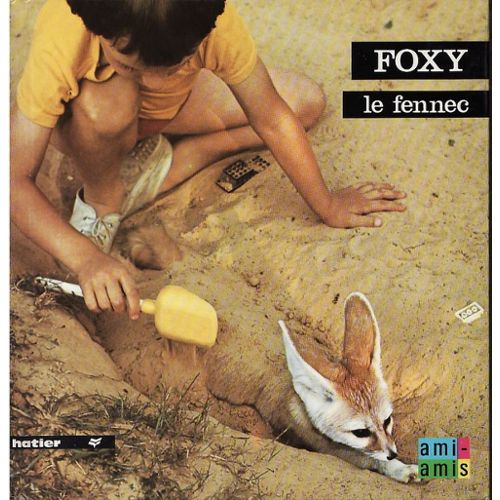
ezăgăz : fennec (renard saharien). On dit que les lieux où se trouvent les terriers des fennecs sont habités par les djinns et dangereux la nuit.
A fennec fox. It is said that the places where fennec foxes have dug their burrows are inhabited by jinns and dangerous at night.
tazlaft : corbeau noir ; p.ext. augure de bonne fortune (signe faste en géomancie) ; parole de magicien.
A black crow; by ext. a good omen; the words of a magician.
Ẓ
aẓəkka : tombe. Les tombes se font normalement dans les endroits pierreux.
A grave. Graves are usually made in stony ground.
teẓma : pouvoir magique des forgerons ; pouvoir de maudire.
Magic power of the blacksmiths; the power to cast a curse.
Ž
Žəbəkeli : nom d’un djinn qui habite un bois de la vallée de Tadist (arrache brutalement les entraves des chameaux qui y paissent).
Name of a jinni that dwells in the Tadist valley (it tears off the hobbles of the camels that graze there).
žabal nâr : volcan (considéré comme porte de l’Enfer).
A volcano (considered a gate of Hell).
ăžobbar, əžabbar (ar.) : homme géant de l’époque préhistorique. On dit que les fantômes des ižobbarăn occupent toujours leurs tombeaux et sont une sorte de djinns.
Giant people of prehistoric times. It is said that their ghosts still haunt their graves and are a kind of jinns.
ăžoggam : grande route ; trace de géant (empreinte de pied présumée laissée par un géant préhistorique).
A highway; a footprint allegedly left by a prehistoric giant man.
Tweet Anthology 2
After first Tweet Anthology (here), this is a selection of my tweets from Dec 2016 up to now. When I reply to another tweet, the person’s tweet is in italics.
***
I ran in California and I won easily because I was an outsider at that time and they looked for an outsider. (Arnold Schwarzenegger)
Europe is looking for an outsider, let’s make Arnold President of the United States of Europe (see here). The #MEGA Schwarzenegger will Make Europe Great Again.
*
In How the Other Half Lives (1890), an early sociology of New York City, J. Riis (Danish-American: see here) said Jewtown and Little Italy were dirty but black neighborhoods were clean.
*
Supposed outpouring of online hatred against Jo Cox, a murdered MP, was exaggerated. (The Economist)
The deliberate exaggeration could not even prevent Brexit.
*
Sweden public broadcaster aired as “science” claims women shorter than men because parents subconsciously feed girls less. (Kevin MacDonald) – Not even Swedes could be this stupid, could they?
Many Swedes are paid by their government to be stupid.
It takes a lot of work to get there. But they’ve made a success of it.
A typical Swedish success story. But immigrants will help Sweden be a more balanced country.
*
Most gays are bisexual (cf Dr Robin Baker). They get sex training with guys, then apply their training with girls. They learn with their male companions good techniques with which a straight guy’s cannot compare. Gays learn with men to overcome shyness with women in every circumstance. It is easier to learn with men because men are sex-crazed. Gays get a crash course while you take the long way, but time is money.
*
Why a liberal arts degree holds value in the second machine age. – Skills that make all workers valuable –even those in STEM (Science, Technology, Engineering, and Math) careers– are boosted, not diminished, by a liberal arts education. (Michigan Future Inc.)
Companies have been praising liberal arts degrees for 50 years. Just talking.
Think in terms of motivation. Why would these students want to work for a company? They’re taking liberal arts degrees because they hate the idea of working for business.
*
Kevin MacDonald: Ethnocentrism is normal and rational.
In fact, women are xenophiles since chimp females have been mating outside their group. [So that makes men acceptive of female foreigners too.] And high-status men do not care about immigration because it does not affect their fitness. [Actually, business benefits from low-wage immigration.] Ethnocentrism is normal for low-status men.
*
If I see myself as a Conservative, then I see my public as unbookish. You don’t sell books to people who don’t read.
*
A Nation of Suckers: Everybody with Deepthroat to regenerate American public life! Woodward should have taken the opportunity [a recent interview] to apologize for the pseudo ‘Deepthroat.’ It’s not too late. [Deepthroat was Mark Felt, but who gave him that name, and if Mark Felt gave it to himself why did the journos have to take it?]
*
Morocco bans production and sale of burqas. (Saudi Gazette)
Moroccans have no class.
*
Each time I’m looking for a Conservative girl, she’s got tranny friends…
Each time I’m looking for a Conservative girl, she’s posing with black men…
I know a Conservative white girl who’s so concerned she may be labelled a racist that she’s only dating black boys. There’s nothing a black boy can’t obtain from a Conservative white girl who’s concerned about being labelled a racist.
*
Remember Rachel Corrie.
Even the Chinese had stopped their tanks on Tian An Men.
*
Saudi Arabia has an economic interest in allowing women to drive. (Brookings Institute)
Saudi Arabia has an economic interest in allowing hardcore pornography. So what? Self-driving cars are already there, waiting to be used. Saudi women will be driving cars when there are no more cars to drive, only self-driving cars. [Nobody ever thought of Saudi women’s right to drive cars before self-driving cars made that right utterly pointless.]
*
Saudi Arabia’s strict religious rules cost its economy tens of billions every year. (Voxdotcom)
They can afford it, don’t you worry. On the other hand Christians would not sacrifice a cent for their religion’s sake. [God is obviously with those who can afford gratuitous acts, not with those who must devote the whole of their activity to being kept afloat.]
*
The difference between a Conservative and his Muslim foes is that Muslims are Conservatives.
*
#Inauguration2017
Bernie Sanders is eating Maine lobster and gulf shrimp with saffron just now, sipping 2013 arroyo vista chardonnay.
Now Bernie Sanders is enjoying seven hills angus beef with chocolate and juniper jus and gratin, with a glass of black stallion 2012 limited release cabernet sauvignon. (All these things Bernie’s supporters have no idea of…)
Keep tuned to know the exact time Bernie Sanders will be enjoying chocolate soufflé with Korbel special cuvée champagne.
*
There is no such thing as #subliminal #advertising #suckers

(Courtesy of Eric McLuhan)
*
The reason women in Israel have less problems with rape than women living in Angela Merkel’s destroyed Germany [tweeted as caption to a picture showing Israeli women in military uniform and with guns].
The lack of sexiness of their accoutrement would repel the most accomplished rapist.
a/Jeynie J: So what you’re saying is, discerning rapists only target fashionably dressed women? Do tell us more.
You don’t have to be fashionable to be sexy.
I thought you were going to tell us more about how rapists choose their victims. I’m waiting to be educated.
First thing, they choose them so as to be able to perform or commit the act physiologically.
Up-thread you snarked that the ugly uniforms of the Israeli women would deter a rapist. Are you implying that a rape victim bears responsibility for her (or his) plight? The classic “she asked for it”??
Do you see another explanation?
What would you think if you learnt most rape victims wore miniskirts when they were raped by a stranger?
I’d think I’d need to see your statistics and the source from which they came.
You’d learn rape from a familiar person (family rape or date rape) is the most frequent by far.
But yes, I do see another explanation: the rapist. No victim ever bears responsibility, regardless of dress.
Of course the rapist goes to jail when caught. I may even agree he should be executed.
What does a rapist’s sentence have to do with his motivation?
Stepfathers are the greatest rapists. For them it doesn’t matter what you wear.
[I give myself the last word in this interesting conversation, as the last words of my female contender were words of abuse and I do not wish to displease my reader with these.
I apologize for having no experience in rape and forced sex and for talking from books and conjecture. I admit that I fail to see, now that I think of it, how I could have an erection trying to rape a stranger as sexual predators do, but I also acknowledge that there surely are techniques to get aroused in such circumstances or to perform full-penetration rape without full erection –which makes my argument about an alleged required sexiness of the victim specious. However, albeit I don’t rely on police or judicial records, the fact that generally speaking victims of rape are scantily clothed when they are raped must be true, for according to studies 1/rape is conducive to pregnancy more often than consensual sex and 2/ovulating women wear scantier clothing than on average. In my mind it makes no doubt that 2 is the cause of 1 and that sexual predators choose scantily clothed victims, whether it be because they are aroused by them or not.]
b/ Mr W.: Not real good with strong women, pajama boy?
Your girlfriend carries the guns, all right, so what are you doing? Patching your petticoat, petticoat?
c/ Dan G.: Are these beauties good enough for ya? [adding another picture of Israeli female soldiers. I take the opportunity to stress here that women in the Israeli army, although they receive some military training, are not due to fighting on the battlefield.]
They were all raped by Israeli starred officers and some by Israeli politicians into the bargain. [The reason for this reply will be apparent from the next discussion, below.]
I’m guessing you don’t like women very much, eh?
Not when they’re damaged goods.
d/ Julie F.: It take a rapist to know a rapist. How many women have you raped?
If you know what I am, you must be like me, then. How many have you?
It takes a rapist to know “it take a rapist to know a rapist.” You’re a darn rapist and I’ll let your neighbors know.
*
The reason women in Israel have less problems with rape than women living in Angela Merkel’s destroyed Germany [This is another discussion starting from the same thought which, by the way, was tweeted by Hollywood actor and staunch Trump supporter James Woods.]
I’m told women in Saudi Arabia don’t have too much problem with rape either.
Not true.
Indeed there’s a lot of raping in Israel.
[Here I’m compelled to rely on my memory as my contender eventually blocked me, making it impossible for me to retrieve his tweets any more. After I had said a lot of rapes occurred in Israel, he came with the rather unexpected estimate, found on the internet, of one out of three women being raped. Then, as he felt he had given me ammunition in the argument, he claimed these rapes were all (literally) made by black immigrants and that Israel had the same problem as Germany and other European countries with an alleged rape wave caused by immigrants (in spite of Israeli women’s carrying big guns, by the way). To which I made the following answer.]
4M women [Israel’s population is 8M]=>about 1.3M women raped. 85,000 Africans, let’s say 50,000 males. That makes 26 Israeli women for each African. If half of them are rapists, it’s ~50 women raped by each rapist. If one fifth of African males are rapists, each rapists rapes ~130 women. If one tenth of the African Israeli male population are rapists, each rapist rapes more than 250 women.
*
Senate Democrats to Stage All-Night Talkathon against Betsy DeVos.
These fellows have no consideration for the Senate’s staff.
*
‘People Who Read Breitbart’ Targeted in £60 Million Government Propaganda War on ‘Far Right’ by Saatchi & Saatchi. (Kevin MacDonald)
Look for embedded subliminal penises, fellatios, pedophilia, and bestiality in the campaign billboards. You’ll find.
*
World leaders come in one of two flavors: Zionist Sycophant or Absolute COWARD. They both taste horrible.
May I add a third: those who are Zionist sycophants because they’re absolute cowards.
*
Fans of Elizabeth Warren Play the Sexist Card One More Time.
When you’ve got only one card to play, you’ve got to play it.
*
My advice to Conservatives, stop saying to the Libs “you’re the real racists,” just say “racists.” Victory is achieved by those who call their opponents racist more than their opponents call them racist. The time it takes you to tell your opponents “you’re the real racists,” they can call you a racist twice.
*
I used to come out as a gay so the men would lower their guard and I was very successful with their girlfriends. Try it.
If you think you’re safe because your mate’s friends are gays you’re badly mistaken. Your gay friend won’t take your mate away, correct.
*
90% of gays are bi. Being gay is the way you impregnate women at no (or minimal) cost.
*
Valentine, the one saint known by Protestant America. They only take those who help sell.
[In reply to users who objected to Valentine Day being banned in some Muslim countries like Pakistan] Why should Muslims, but even Protestants, partake in the worship of this saint? Protestantism is based on the rejection of the worship of saints. Valentine Day shows how deep marketing brainwashing goes.
*
Can you be my Valentine for one day?I guess it’s asking too much, even for just one day…
*
I don’t like the way she’s wearing her veil, it’s like she’s wearing no veil at all.
*
“Christians are oppressed and persecuted in USA”. Makes sense: after all, they are an endangered minority of only 83%. (Richard Dawkins) [According to another user, the actual figure is more like 70%.]
The truth of the statement does not depend on this figure alone but also on the relative status of the majority. If your status is higher than a Christian and you abuse him for his faith, then you are an oppressor.
*
Israel interferes in our politics all the time, and it’s never a scandal. (Kevin MacDonald)
You mean that people are afraid to speak out? Some people speak out and these may be more acceptive of Muslim, anti-Zionist immigration. Immigration as bulletproof jacket. We’ll get all the Muslims it takes to restore free speech, I will see to it.
*
Here To Love They Neighbor. [A comment on the so-called ‘’Muslim Ban’’]
They’ve got to love their “neighbor,” she’s their cleaning lady!
All Muslims are not terrorists, they’re also cleaning ladies and dustmen.
*
God made Obama president, yes. Even God makes mistakes. Pfff…
Attila was the Scourge of God. Obama is the Mistake of God.
*
Let me know how I can do more for the basic income movement.
You can share your income with me.
As long as you’re not at basic-level income, you don’t know what basic income is. Share.
If you share, you’ll get a share. In this world I can’t promise, but in the next, brother!
*
Could we imagine a world where the machine work for us while we just enjoy life?
Many people can’t. They see their wife at home and: Thank god there’s work, to be out!
*
What did you promise the Russians in exchange for their hacking the election? (Laura P., ‘’Democratic political consultant,’’ to Donald Trump. I quote from memory as she blocked me after the following reply)
He promised you would help Russia with your lights.
*
It is important to remember, when engaging in paleontology, that there’s a risk it make you dry as a bone.
*
The FAKE NEWS media is the enemy of the American people (President Trump). – That’s great, Donald, but the last time a U.S. president told me who my enemy was, 600,000 Iraqis died for no reason.
It won’t take troops against these, a good spanking will suffice.
*
Freedom of the press: The press is not free from private interests.
The privately owned press, that is, some private interests, call themselves the pillar of democracy. Sheep agree.
The press is controlled by undemocratic, private interests that are far more powerful than states. People know what I’m saying is true, but they dare not articulate it, for labelling power’s not theirs. The people repress the obvious about the nature of media. They dream a life of two hundred years ago. They obscurely feel that escaping the dream is dangerous, and it is, as it goes across powerful vested interests and would in any case estrange them from the herd.
*
I believe there were no porn videos in Osama Bin Laden’s house and that they said so in order to make him look like an a**hole.
*
Bill Gates: Job-stealing robots should pay income taxes.
Disagree. If robots can do these jobs, they are inhuman jobs and robots are our liberators. To think that there are still people who are doing robots’ jobs gives me the shivers.
*
Why has the Iranian regime become so fond of tourism in Albania? + link (Iran Freedom)
That someone got fond of tourism in Albania was long overdue.
*
Robots are going to replace most jobs. How are people going to get money to live on?
Shoplifting has long ceased to be a heinous crime.
*
When does a robot have personality? When he hates humans.
*
…find the leakers within the FBI itself. Classified information is being given to media that could have a devastating effect on U.S. FIND NOW. (Donald Trump)
For a long time U.S. services have set up a whole system of leaks from U.S. to Israel. Read They Dare To Speak Out by Paul Findley. American spies have spied on their own land for decades on Israel’s behalf. Leaking stuff is what they’re best at, after all these years spying on their own land for Israel.
*
(To a Dr somebody making political comments) One day doctors will find out they were speaking in the name of science like children.
*
In response to Trump’s dissing of Mexico, Mexicans are boycotting Starbucks and other U.S. chains.
So funny knowing Starbucks’s CEO did the best he could to appear as anti Trump.
*
Calling the press scoundrels, which they are, is not restricting the press. As far as I know freedom of speech extends to the president as well. Journalists want to shut him up. Grant the president free speech for a change. The press can’t handle criticism.
*
(In reply to the outrage raised by Trump’s announcement that he would not attend the White House Correspondents’ Association this year)
The president has no mandate to attend and waste his time with bores.
*
Try giving your opinion diplomatically instead of attacking and attempting to take down an American business. (A tweet to President Trump about the New York Times)
The president has no mandate to spare the susceptibility of scoundrels.
*
Treason – google it, Donald Trump (Rosie)
When I start typing “treason” on Google, Google completes with “treacle on my p*ssy, lick it.” Why?
 florent boucharel rAd-Free